Easter Chapel Decor: Lilies, White Drapes, and Spring Palettes
Easter and spring weddings ask the same thing of a chapel: light, air, and the feeling that something is beginning. The room usually answers half of that on its own — tall windows, pale walls, a long aisle. Your job is to work with what the building already does well instead of covering it up. Lilies, white fabric, and a restrained pastel palette are the classic combination for a reason, but they only sing when placement, proportion, and timing are handled with some care.
Start With Light Before You Choose a Single Stem
Walk the chapel at the exact hours your service will happen. Morning services and 3 p.m. services are completely different rooms. If sunlight floods the chancel at 10 a.m., glossy fabric will glare and white flowers will wash out; matte textures and deeper greens hold their shape in that light. If your service is at dusk, you can afford softer whites and more candlelight, because the eye has less to compete with.
Notice the visual weight of the room too. Dark wood beams, heavy stone, and high ceilings need arrangements with height and mass. A small vase of lilies that looks generous in a side room can vanish entirely under a vaulted ceiling. When in doubt, go taller rather than wider — vertical arrangements echo the architecture and never block sightlines down the aisle.
Lily Placement That Looks Deliberate
Lilies are the signature Easter flower, and they are also the easiest to overdo. Six well-placed groupings read better than thirty stems scattered around the room. Think in terms of stations, not decoration.
Altar and chancel
Two matching arrangements flanking the altar give the space a frame. Use odd numbers of stems within each — five or seven — with the tallest bloom roughly two and a half times the height of the vase. Build each one asymmetrically: lilies high and slightly forward, greens spilling lower and to one side. Perfect symmetry in the flowers themselves tends to look stiff.
Aisles, windows, and entry
An aisle needs rhythm, not saturation. A single stem in a slim vase at every other pew, or a cluster at the head of the aisle and another near the back, guides the eye forward without turning the walk into an obstacle course. Windowsills and the entry table are places people linger, so put something worth looking at there — a low bowl of white blooms and trailing greenery, kept below eye level so it doesn't block the view.
A few practical notes that save arrangements later:
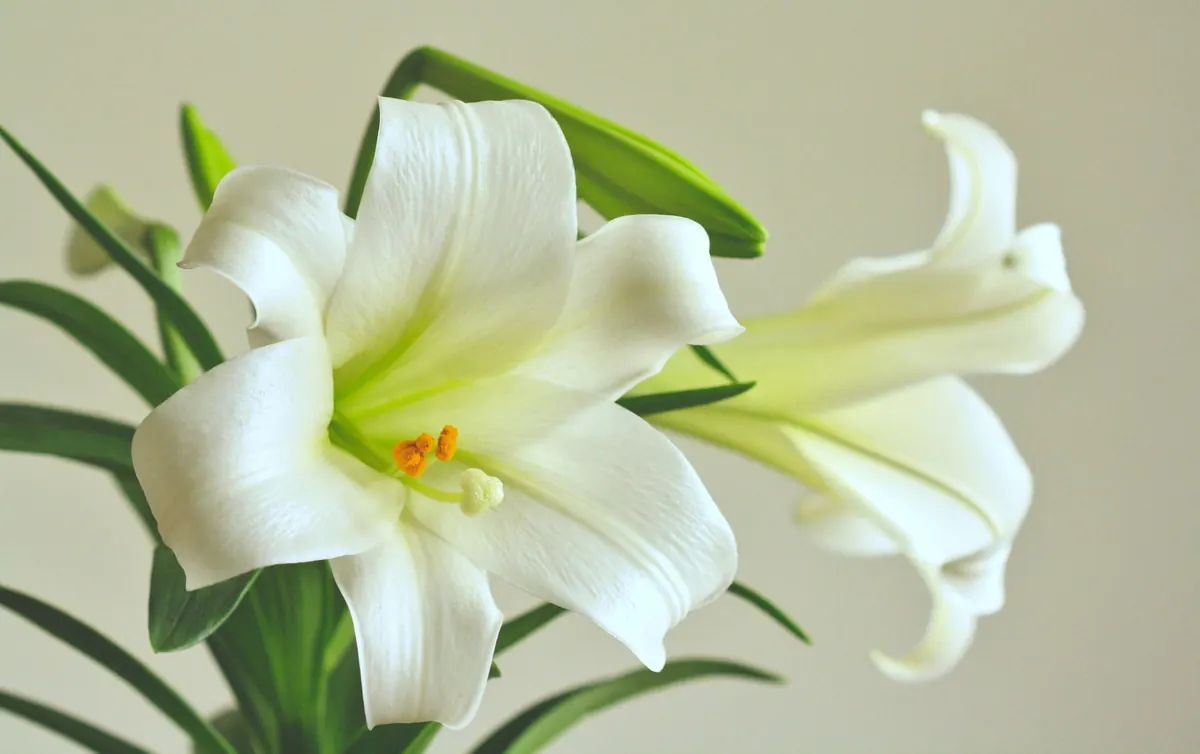
- Pinch out the anthers — the pollen-covered tips inside each open bloom — before the service. They stain white fabric, skin, and vestments, and the stain is stubborn.
- Cut stems on a sharp diagonal and strip leaves below the waterline. Change the water daily; lilies cloud it quickly.
- Condition flowers in a cool room overnight, then move them in early. Lilies open fast in warm air.
- Keep arrangements out of reach of children and away from cats. Lilies are toxic to cats, so if a pet has access to the building or the reception space, choose another flower or keep them in a closed room.
White Drapes: Softness Without the Fuss
White fabric does something no flower can: it changes the shape of the room. A swag across the front of the altar rail, a soft backdrop behind a lectern, or a simple panel between two windows can lift a heavy interior into something lighter. Voile, chiffon, cotton lawn, and matte jersey all drape beautifully and photograph without hotspots. Shiny satin looks rich in a showroom and harsh under chapel lighting.
Hang with intention. Tension rods work on window frames and doorway trim; ceiling hooks and pipe-and-drape systems work in open spaces. Measure twice, then add a third of the drop in extra length — fabric that is stretched taut looks wrong, and fabric that pools an inch or two on the floor looks intentional. Steam everything the day before, then hang it; wrinkles you can't see on a hanger will be obvious from the back row.
Safety matters more than style here. Keep fabric clear of candles and heaters, use flame-retardant treated material where open flame is involved, and weigh down or secure any free-hanging length so a draft or a passing guest can't pull it down.
Pastel Palettes That Read From the Back Row
Pastels are gentle, which is also their weakness — they blend into each other and disappear at distance. Anchor every scheme with a neutral and a green.
- Ivory, sage, and soft blush. The most forgiving combination for dark wood interiors.
- White, pale yellow, and gray-green. Reads as fresh and early-spring, especially with daffodils and narcissus alongside lilies.
- Lavender, cream, and warm gray. Softer and quieter; pairs well with stone floors and blue-gray pews.
- Pale blue, white, and silver-green. Crisp in bright, sunlit chapels where warmer tones go muddy.
Pick one accent color and let the rest be white and green. Two accents compete; three turn into noise. If the chapel has stained glass or a colored carpet, pull your accent from it rather than fighting it.
A Setup Timeline That Keeps Everyone Calm
- Three to four weeks out: confirm flower varieties and quantities, measure every surface you plan to drape, and check whether the building has rules about candles, adhesives, or attaching anything to trim.
- One week out: label storage bins by station — "altar left," "aisle," "entry" — with tape, scissors, wire, and water pitchers included in each. Deliver flowers to a cool room, not the sanctuary.
- Day before: hang and steam fabric, set empty vases in place, and stage everything else. A dry run with empty containers reveals spacing problems while you still have time.
- Morning of: arrange flowers on site, fill water, wipe drips, and do a final walk from the back row, the front row, and the doorway. That's the view that matters.
Making It Work on a Modest Budget
Greenery is the cheapest way to make a room feel full. Buy eucalyptus, ruscus, or seasonal branches in bulk and let them carry the volume, then use lilies as focal points rather than filler. Borrow potted white flowers from congregants and return them after the service. Reuse altar arrangements at the reception by moving them into lower containers. And if the budget is tight, spend it on the entry and the chancel — the two places every guest looks first and last.
The Last Ten Minutes Before the Doors Open
Stand at the back of the chapel. Check that no arrangement blocks a sightline, that fabric hangs evenly on both sides, and that water levels are topped off. Straighten the front pews, dim any lights that flatten the flowers, and step outside for a moment so your eyes reset. Then come back in and look again. When the room feels calm from that distance, it will feel calm to everyone walking in — and the decor will do its quiet work: pointing attention forward, upward, and toward the morning.
Photo: Ashlee Marie / Pexels
8 Common Chapel Decorating Mistakes and How to Avoid Them
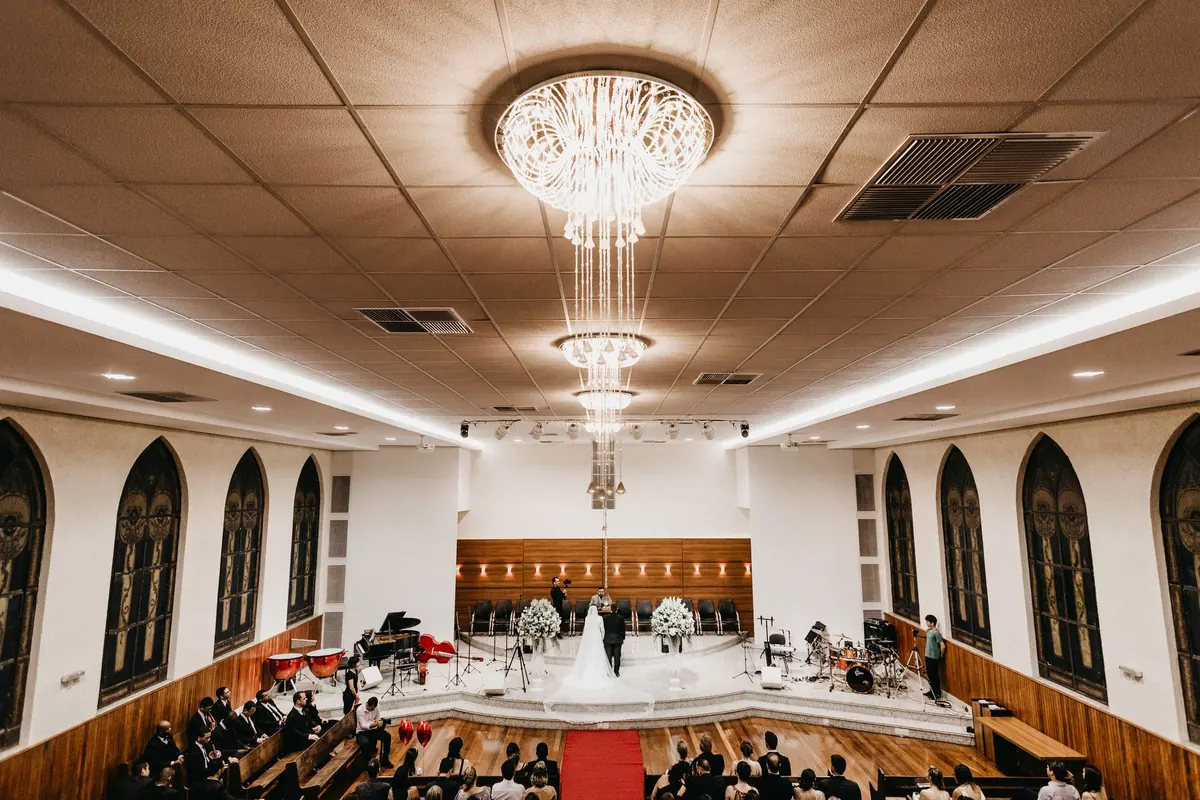
Eight pew-decorating pitfalls that show up in wedding photos and guest complaints, plus practical fixes...
Decorating a Historic Chapel: Preservation-Safe Ideas for Older Buildings
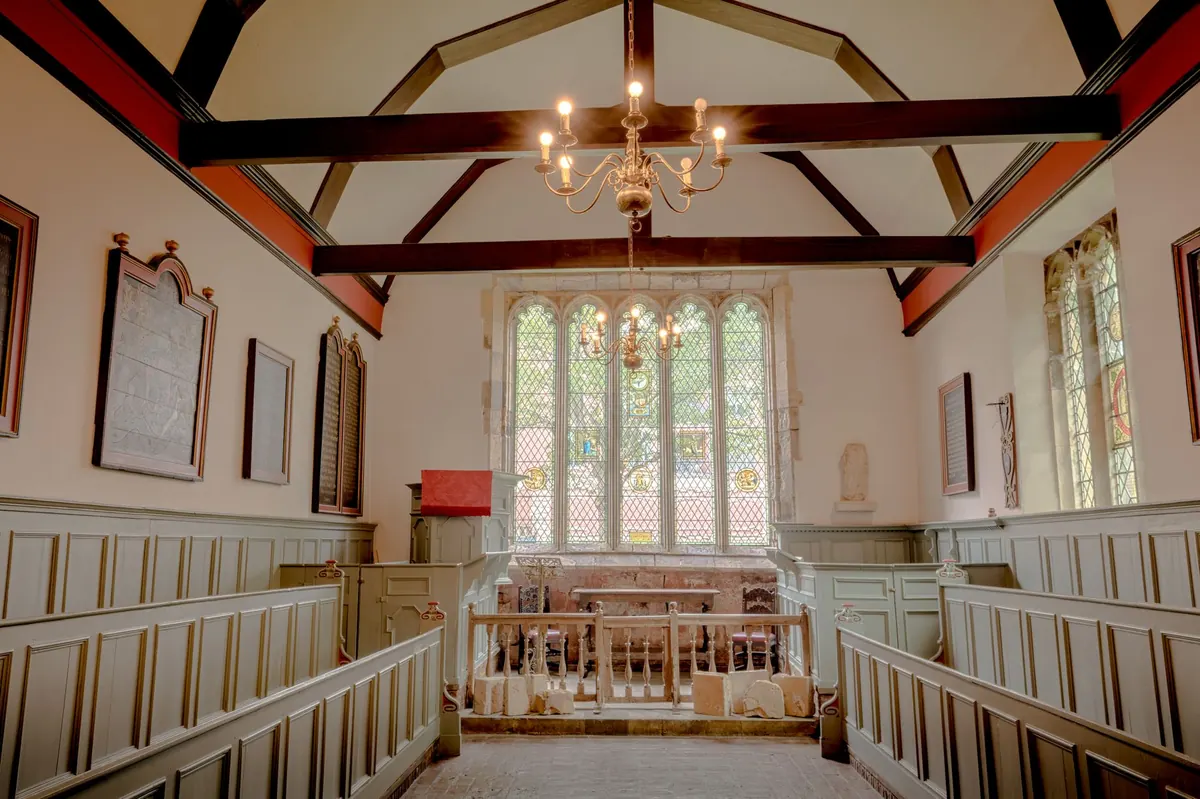
How to decorate historic and protected chapels without harming fragile surfaces — using freestanding...
About Us