Pew Bows vs. Pew Flowers: Which Should You Choose?
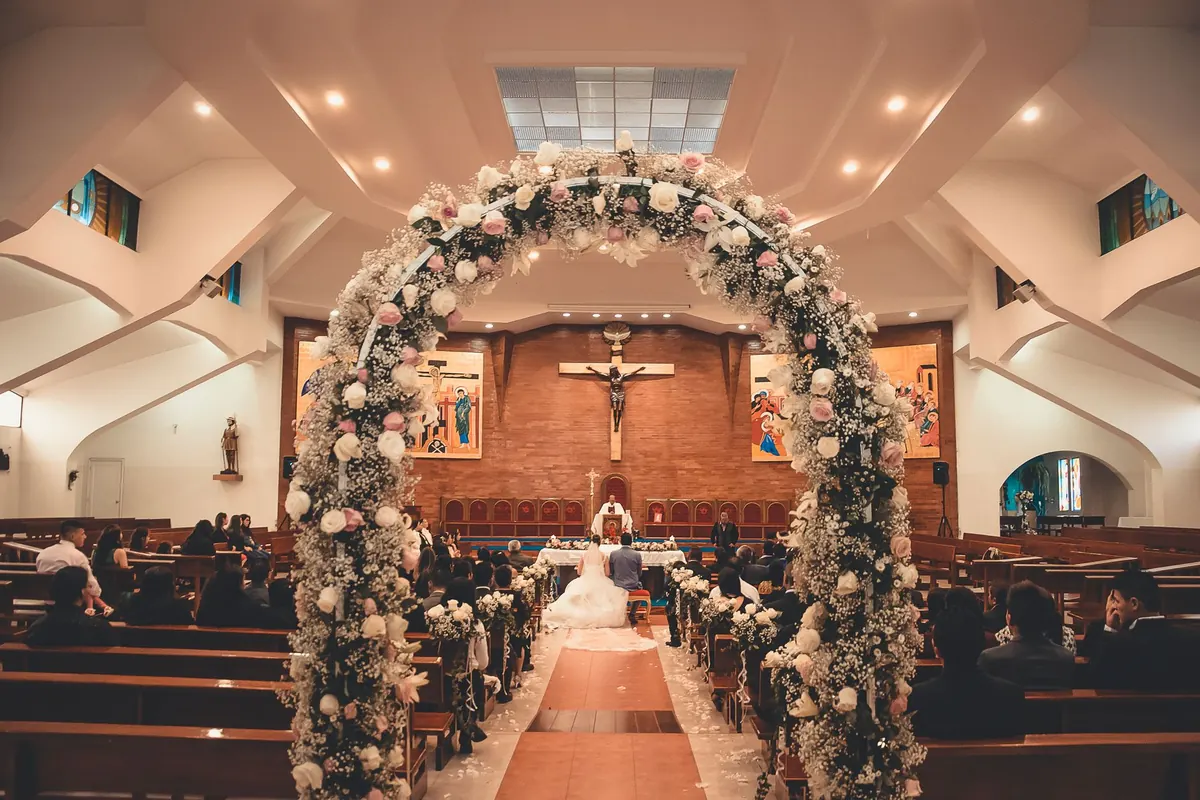
Stand at the back of a chapel before the doors open and the aisle does something you cannot quite reproduce with lighting or music: it pulls the eye forward and frames whoever walks it. Pew decorations live right in that frame, close enough that guests brush past them with a sleeve and close enough that a photographer can shoot through them.
Most couples narrow the choice down to two options: ribbon bows or floral accents. Both work. They work differently. Bows give you clean geometry and color that reads from across the room. Flowers give you texture, fragrance, and a sense of season. The real differences show up in cost, setup time, and the way each one behaves on camera.
Start With the Pews, Not the Decorations
The pew end decides half of this for you. A flat, wide end panel, common in older chapels, is a natural canvas: a bow or a floral cluster sits against it and stays put. A turned or curved end with a narrow rail gives ribbon something to tie around but very little flat surface, so floral accents usually need a hook, a zip tie, or a small cage. Modern stackable chairs want clips instead.
Ask the venue what fasteners are allowed before you plan on adhesive strips or pins. Some sanctuaries are strict about anything touching finished wood; others are relaxed because they have seen every approach imaginable.
Then count. Most couples decorate every pew, but doing every other one halves the work and often looks calmer in a long aisle. The first few rows and the last few rows do the heaviest visual lifting: guests walk past the back rows, wide shots capture the whole run, and close aisle shots crop the front. If your budget or your setup window is tight, decorate the back third fully and taper from there.
Cost: What You Are Really Comparing
Ribbon is sold by the roll, and the yardage disappears faster than people expect. The loops are not the problem. The tails are the greedy part, and long, flowing tails take more ribbon than the bow itself. Add wired ribbon, tulle, a small cluster in the center, and pins, and a "simple bow" starts to have a real per-pew price.
Fresh floral accents usually cost more per pew, though a single sprig of greenery with two or three blooms costs a fraction of a full nosegay. Dried and preserved stems sit somewhere in the middle: more expensive than ribbon, less than fresh, and they will not wilt during a long afternoon.
Reuse is where the math softens. Ceremony arrangements often move to the reception, and ribbon bows can be re-tied onto chair backs or the sweetheart table. Before you fall for an inspiration photo, set a ceiling per pew, multiply it by the number of decorated pews, and see how the total feels. Floral pricing swings widely with season, region, and whether stems are local, so get quotes rather than assuming.
Setup Effort and Timeline
Ribbon wins on speed. Flowers win on impact per unit and lose on fuss. Here is a workable order of operations:
- Measure and mark the height. Decide where the accent sits before you tie anything, usually a few inches below the top rail so it does not crowd the shoulder of whoever takes the aisle seat.
- Pre-tie the bows at home. Work at a table with a ruler, tie one, measure it, then replicate. Tying ribbon on site, standing up, in dim light, is a reliable way to end up with eleven different bows.
- Build floral clusters the day before. Keep them cool and use small water tubes or soaked foam for fresh stems. An accent that has dried out by the second reading looks worse than no accent at all.
- Pack a kit. Zip ties, florist wire, scissors, ribbon scraps, approved hooks, and a basket for transport. Someone will need all of it.
- Assign two people and a time window. Bows go up in minutes per pew. Floral accents take longer because each one needs securing and straightening, so build in a buffer.
- Walk the aisle twice when you finish, once from the back and once from the front.
The Look: Crisp Lines or Living Texture
Ribbon reads as architecture
A bow holds a shape from a distance. It repeats cleanly down an aisle, defines your palette in one confident color, and suits modern, minimal, or formal spaces. Velvet, dupioni, and grosgrain feel substantial; chiffon and organza feel airy. A bow also photographs the same at the beginning of the ceremony and at the end, which is not true of a fresh bloom in a warm room.
Flowers read as season
Floral accents are asymmetric and a little unruly, which is exactly why they feel alive. They bring fragrance into the room and echo the bouquets and centerpieces, tying the whole day together. Greenery alone, without blooms, is one of the most forgiving and least expensive ways to soften a hard stone chapel with tall windows and no upholstery.
A pew end is small. One clear idea, repeated down the aisle, reads better than three good ideas competing.
How Each One Photographs
Bows: saturated ribbon shows up as blocks of color in wide aisle shots, which is a fast way to communicate your palette. The catch is finish. Glossy satin under direct flash or hard window light produces hot highlights that swallow the color. Matte and textured ribbons hold detail far better. Narrow ribbon can vanish in a wide shot; wide ribbon and generous tails carry. Tails that flap in the breeze can also read as untidy in candid frames.
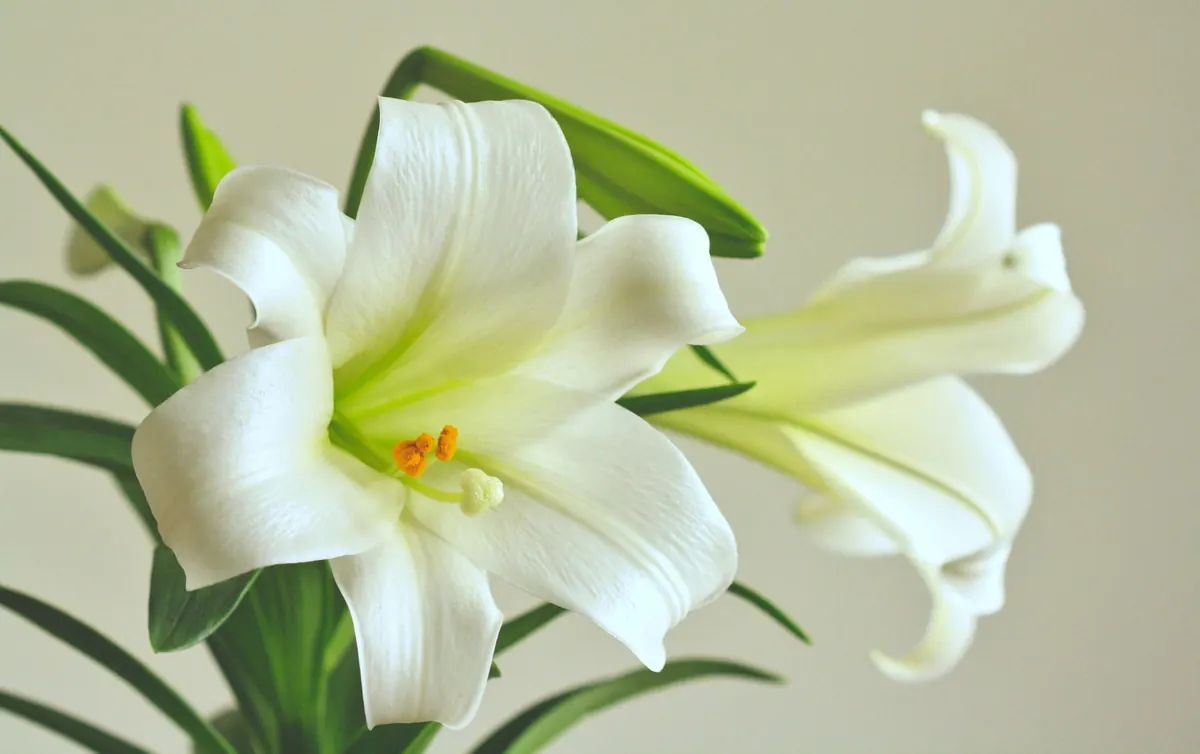
Flowers: petals and leaves catch light unevenly, which creates depth and pleasing blur when a photographer shoots through the pews. Pure white blooms can wash out in bright light, and very dark blooms can read as holes in a dim chapel, so mixed tones with greenery are the safer bet. Scent deserves a thought too. Lilies and hyacinths are lovely from ten feet away and overwhelming at two, especially for guests with allergies.
Whichever you choose, mention it to your photographer. Knowing the aisle is lined with ribbon or with fresh stems changes where they stand and when they shoot.
The Case for Mixing the Two
A ribbon bow with a small floral cluster pinned at the knot gives you color, geometry, and texture at once. The bow does the structural work and holds the shape, while the flower stays small, which keeps the cost down.
Another approach: ribbon on most pews, floral accents on the rows nearest the entrance and the family rows. Or greenery and a single bloom, tied with a narrow ribbon so the mechanics stay hidden. Pick one dominant element and let the other support it. Two competing focal points on a small pew end look busy, not layered.
Before You Order Ribbon or Book Florals
- Count the pews and circle the ones that get decorated.
- Measure the pew end and the height you want the accent to sit.
- Confirm with the venue which fasteners are permitted and when you can get in.
- Ask about removal. Some chapels want everything gone the same day.
- Check wind and weather if the aisle is outdoors. Ribbon and wind argue, and lightweight clusters need extra anchoring.
- Show your photographer a reference image and ask how it will read in that room's light.
- Order extra ribbon. A little surplus is cheap insurance against a bad cut.
- Decide where everything goes after the ceremony, before you build it.
Neither choice is the safe one. A bow that matches the pew and the light will look deliberate. A floral accent placed at the right height and anchored properly will look generous. Match the option to the space, your setup window, and the hands you actually have available, and the aisle will do its job.
Photo: Jesus Arias / Pexels
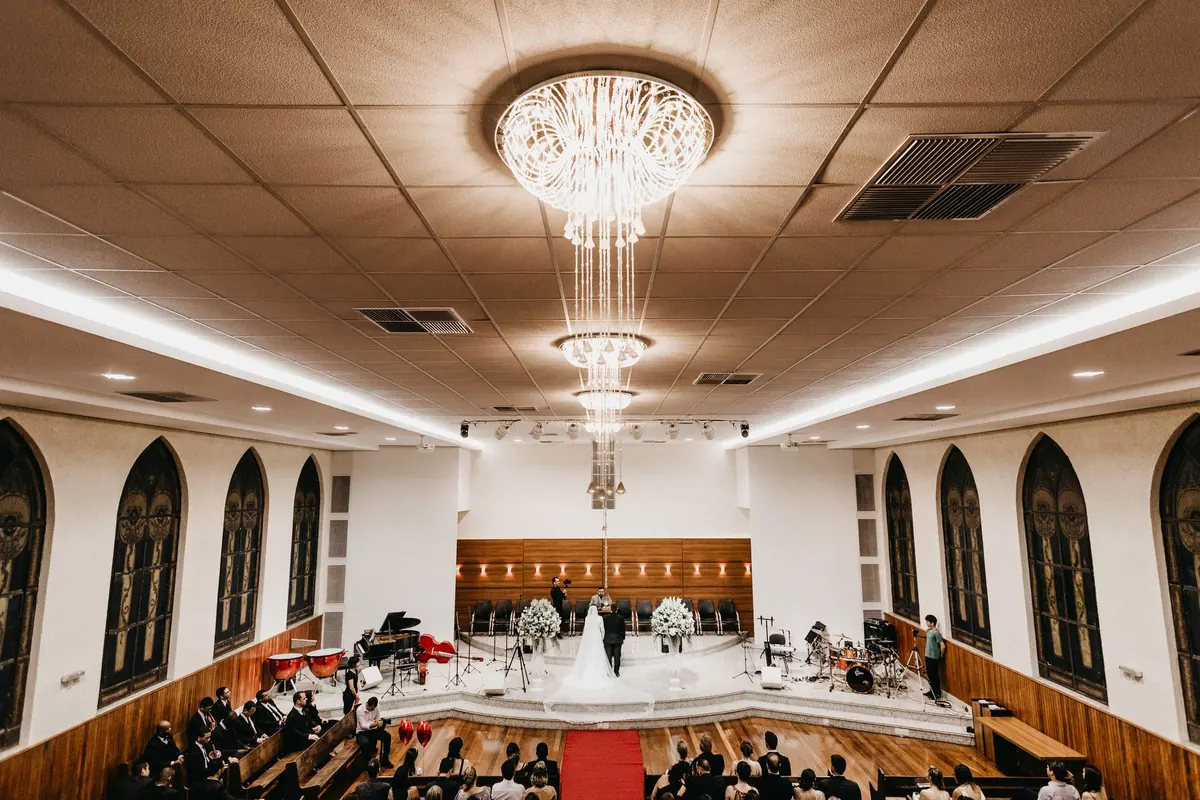
8 Common Chapel Decorating Mistakes and How to Avoid Them
Eight pew-decorating pitfalls that show up in wedding photos and guest complaints, plus practical fixes...
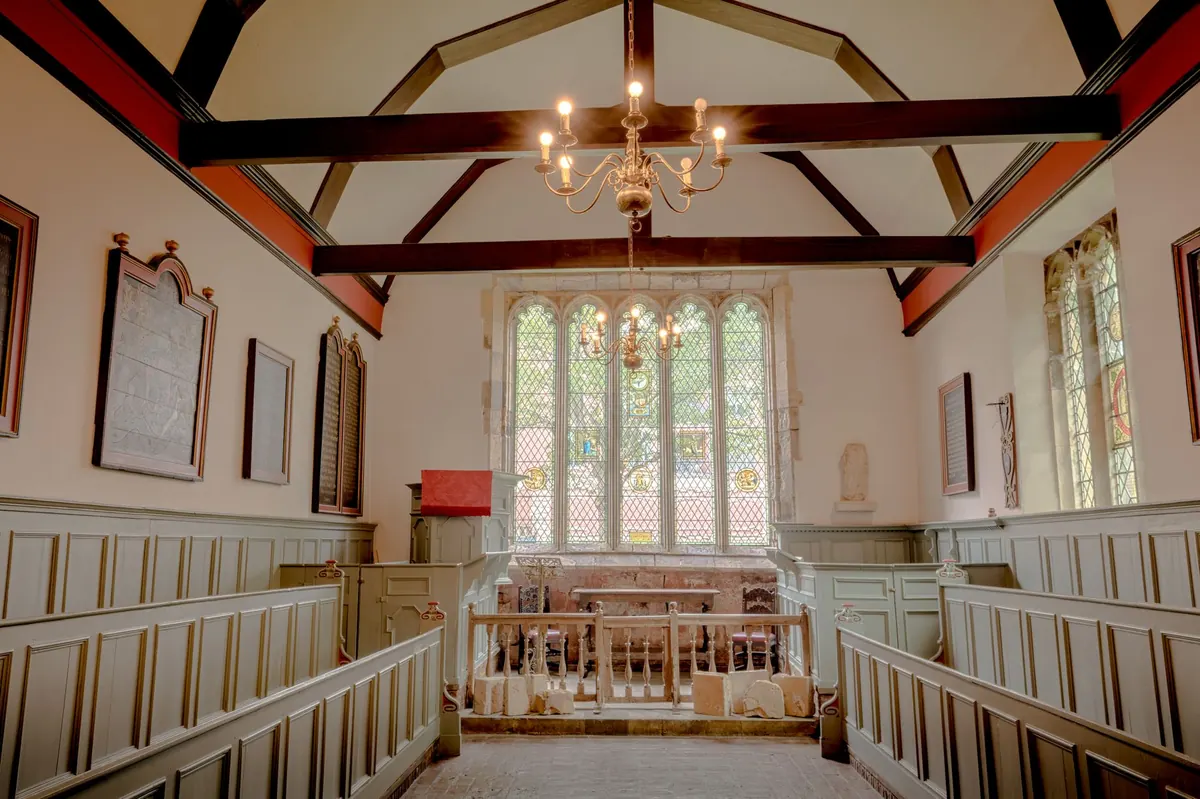
Decorating a Historic Chapel: Preservation-Safe Ideas for Older Buildings
How to decorate historic and protected chapels without harming fragile surfaces — using freestanding...
About Us